Trachysoma scabrum
Trachysoma scabrum
Representative Specimens
Selected reference specimens illustrating this species from different geological units and fossil sites.
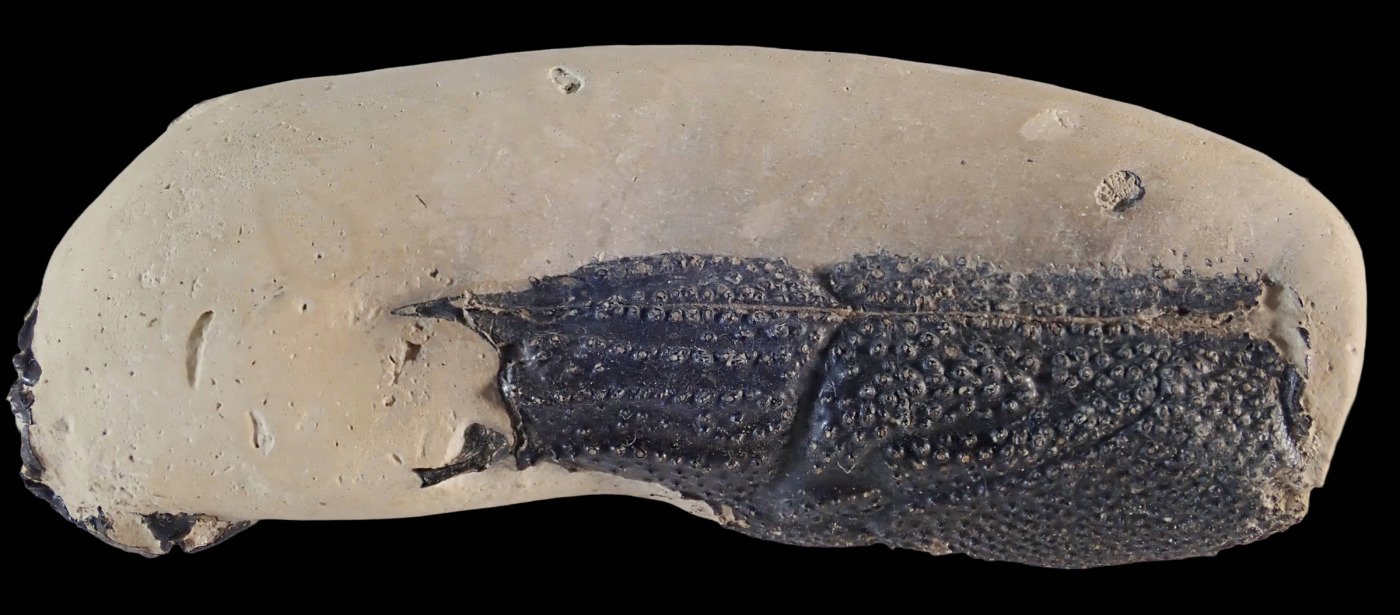
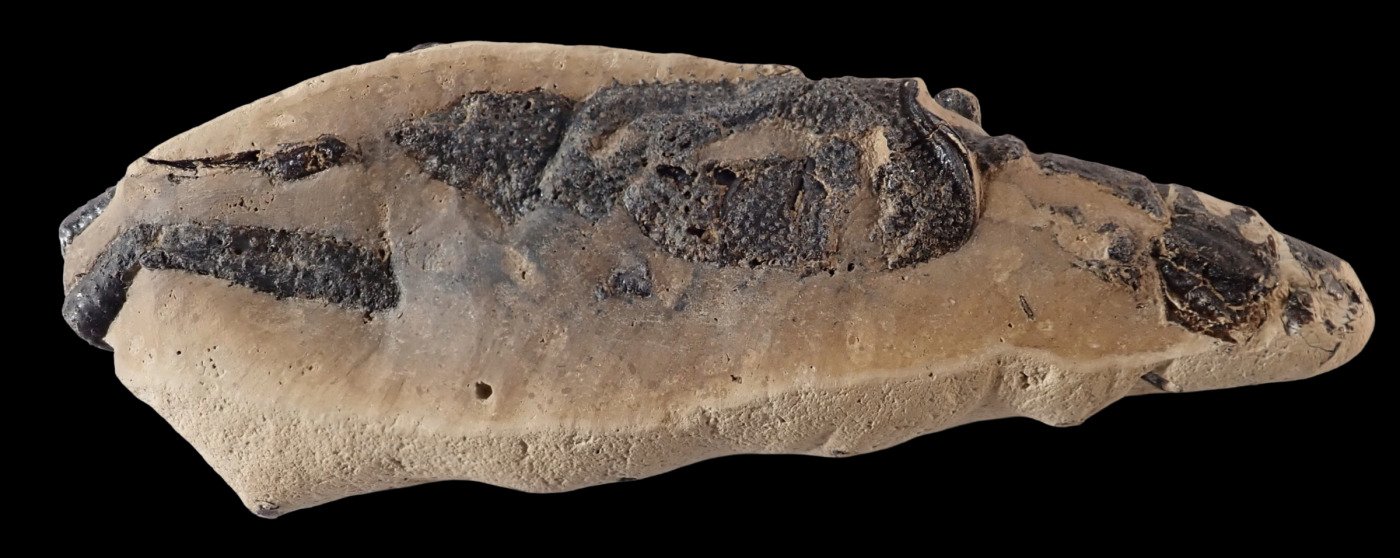
Identification Examples
Choose a fossil site to view photographed reference specimens.
Summary
Trachysoma scabrum was a glypheid lobster, part of an ancient lobster lineage with a history stretching far back into the Mesozoic. It had an elongated body and a rough, strongly sculptured carapace and would have walked across the seabed searching for food.
Like other large benthic lobsters it was probably an opportunistic predator and scavenger. Its survival into the Eocene London Clay sea is especially interesting because glypheids represent a very old branch of lobster evolution, linking this fauna with much earlier marine ecosystems.
Quick Identification
Look for: an elongate lobster carapace with a conspicuously rough, strongly sculptured surface and glypheid groove pattern; distinguish it from smoother palinurid and nephropid London Clay lobsters.
Diagnostic Features
- Carapace elongate and lobster-like.
- Dorsal surface strongly sculptured, giving a rough or scabrous appearance.
- Regional grooves are prominent and organise the carapace surface.
- Overall construction differs from both clawed nephropids and palinurid spiny lobsters.
- The historical combination Glyphea scabra refers to this species and should not be created separately.
Fossil Details
Similar Species
Recorded Fossil Sites
London Clay Formation
Synonyms & Previous Names
References
- J. S. H. Collins; C. J. T. Mellish; A. J. Ross; P. R. Crabb; S. K. Donovan. (2020). A guide to the fossil Decapoda (Crustacea: Axiidea, Anomura, Brachyura) of the British Isles. Proceedings of the Geologists' Association, 131(1), 19–50 View reference
- Thomas Bell. (1857). A monograph of the fossil malacostracous Crustacea of Great Britain. Part I. Crustacea of the London Clay. Monograph of the Palaeontographical Society, 10, i–viii, 1–44. Palaeontographical Society, London View reference
- W. J. Quayle. (1987). English Eocene Crustacea (lobsters and stomatopod). Palaeontology, 30(3), 581–612 View reference