Terebratulina wardenensis
Terebratulina wardenensis
Representative Specimens
Selected reference specimens illustrating this species from different geological units and fossil sites.
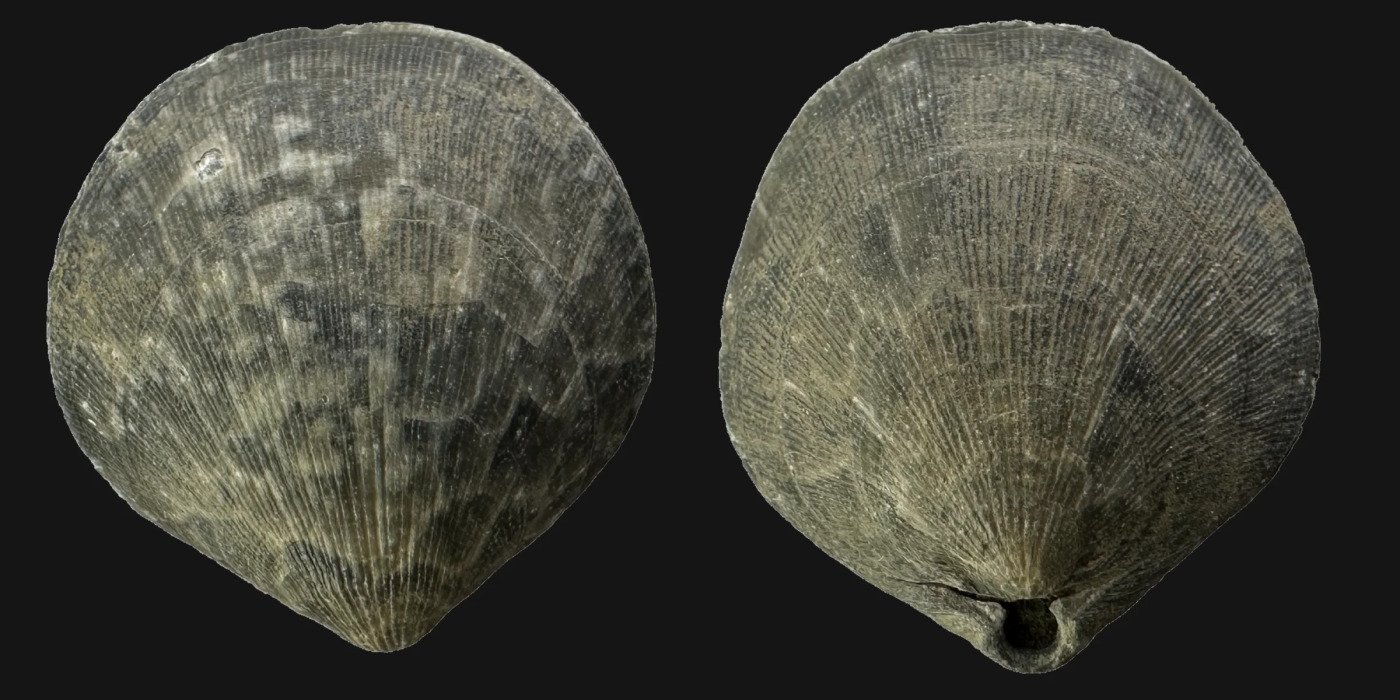
Identification Examples
Choose a fossil site to view photographed reference specimens.
Summary
Terebratulina wardenensis was a small articulate brachiopod that lived attached to a firm object by a pedicle emerging through the beak of one valve. It was a stationary suspension feeder, using the lophophore inside the shell to filter fine particles from seawater.
Firm attachment points were limited on the muddy London Clay sea floor, so shells, pebbles or woody debris would have provided suitable substrate. BGS records the species as sporadic in Unit C, consistent with a locally available hard-substrate niche rather than a ubiquitous soft-bottom animal.
Quick Identification
Look for: a small biconvex brachiopod shell with a distinct beak/pedicle opening and fine radiating ribs across the valves; complete paired valves are much more useful than worn fragments.
Diagnostic Features
- Shell biconvex and articulate, with unequal dorsal and ventral valves.
- Ventral beak bears a pedicle foramen or related opening for attachment.
- Exterior carries fine radial costellae/ribs rather than being completely smooth.
- Shell is punctate calcite, often preserving a fine porous appearance under magnification.
- Valve outline and ribbing distinguish the species from smoother terebratulids when preservation is adequate.
Fossil Details
Similar Species
Recorded Fossil Sites
London Clay Formation
References
- Elliott, G. F. (1938). A London Clay brachiopod. Proceedings of the Geologists' Association, 49, 128–134 View reference